Asking MS copilot to recommend YouTube videos for learning purpose and also summarize the video contents: on servant leadership: for MBA students
The dialogue is as follows:
Here are two excellent YouTube videos that introduce the concept of servant leadership, along with summaries of their main ideas.
🎥 Recommended Videos
Introduction to Servant Leadership (GreggU, 2020)
What is Servant Leadership? (2024)
You can also explore one of them directly here:
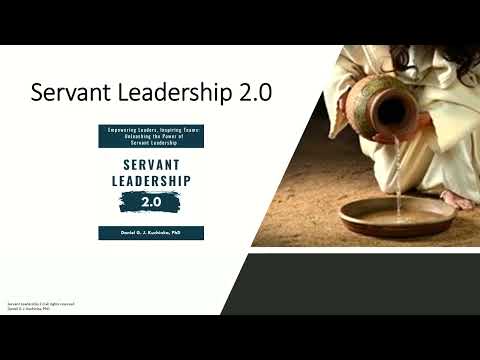 Servant Leadership 2.0 Introduction
 What is Servant Leadership?
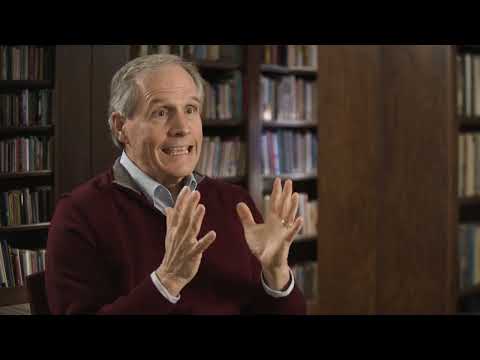 Servant Leadership: Introduction
 Servant Leadership
 Introduction to Servant Leadership
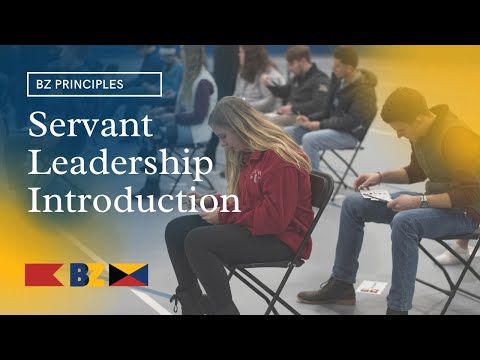 20-21 BZ Principles - Servant Leadership Introduction with ...
 An Introduction to Servant Leadership
 See more
📌 Summary of Main Ideas
1. Introduction to Servant Leadership (GreggU, 2020)
Paradox of leadership: Challenges the traditional view that leaders command while followers obey. Instead, servant leadership blends service and influence.
Definition: Begins with the natural desire to serve first, then to lead.
Robert Greenleaf’s contribution: Greenleaf coined the term and emphasized that leaders should prioritize the growth and well-being of their followers.
Core principle: Servant leaders place the good of followers above self-interest, focusing on developing people and communities.
Inspirational roots: Greenleaf credited Hermann Hesse’s novel The Journey to the East as inspiration for the philosophy.
2. What is Servant Leadership? (2024)
Concept explained: Servant leadership is described as a mindset where leaders act as stewards rather than controllers.
Behaviors of servant leaders: Empathy, listening, stewardship, and commitment to others’ growth.
Twin roles: Leaders provide both “rations” (resources) and “raincoats” (protection/support).
Influential voices: Max De Pree emphasized that “the first responsibility of a leader is to define reality, and the last is to say thank you.”
Practical application: Encourages leaders to practice humility, empower others, and build trust-based relationships.
Outcome: Creates stronger teams, healthier organizations, and a culture of collaboration."
No comments:
Post a Comment